
Gap Insurance: Do You Need It When Buying a Used Car?

Gap insurance protects car buyers and lenders from depreciation and other losses. Here at Stonehill Motors in Lake Isabella, we offer gap. It is one of the ways we ensure used car buyers get the best deal for their money and drive away satisfied with their purchase.
Still, many folks don’t understand gap or know if they need it when buying a used vehicle.

As both a licensed used car dealership and licensed insurance agent, we are uniquely qualified to help you through this muddle. Many of our clients are first-time buyers, or people looking to step into a better vehicle, so knowledge of gap is important. And it is even more valuable for consumers looking to buy a brand-new car.
What is Gap Insurance?
If you seek a quick definition, the Insurance Information Institute (III) says, “Gap insurance covers the difference between what a vehicle is worth, and what is owed on it.”
Gap coverage is bought at the dealership when a car is sold, and it is part of your contract. Gap is a one-time cost that helps many car buyers sleep better at night, because if a car gets stolen or totaled, will help pay off the loan. This means you won’t be stuck making payments on a car that no longer exists.
Sometimes, lenders will not offer a loan on a vehicle without gap insurance.

Fun Fact: You cannot purchase gap from a private seller.
What You Need to Know About Gap Insurance
The biggest financial damage most people take in a lifetime is buying a new car that will immediately depreciate. It’s an immediate loss of tens of thousands of dollars, and you will pay interest on that owed money.
Vehicle Depreciation
Car depreciation happens when a vehicle loses value thanks to:
Time
Mileage
Accidents
Attempted thefts
Or other losses
The first HUGE depreciation happens when a consumer buys a brand-new car. At that moment, the brand-new car becomes a used car.
How Much Will a New Car Depreciate?
That initial depreciation loss ranges from 10% to 30% of the vehicle’s value. Since the loan is for a brand-new vehicle (plus taxes, tags, and various other fees charged at some dealerships) the amount owed on the car is more than your full coverage insurance will pay after a total loss.
Depreciation Illustrated with a Story
Imagine buying a dream car brand new from a dealership. For fun, let’s imagine it’s a 2027 Maserati GranCabrio. It’s advertised at $250,000.
You head to the Maserati dealer and negotiate the price down to $200,000. You get a loan with no money down, because you’re wealthy like that.
Now, as a Kern River Valley resident, you will need to pay some taxes, fees, and so on.
These costs will be tacked onto the loan, and probably include:
Sales tax, currently 8.25% in Kern County: $16,500
California DMV fees to register the car: $3,000
Warranties: $4,000
Remember, the car depreciates the second you leave the lot. Now, you owe $225,000 on a car valued at $175,000. That’s a difference of $50 grand! And insurance will only pay $175,000 if you total the car, because that is the book value of a used Maserati GranCabrio.

Accidents & Time Cause Vehicle Depreciation
A few days later, you’re driving through the canyon on Highway 178, and get in a minor fender-bender when a big rig crosses the yellow lines.
Thankfully, you are fine. The car is not totaled, and your full coverage insurance pays most of the repair costs, but now it has an accident history. Your used Maserati is now worth $150,000.
More time passes without incident, but the miles slowly stack up on the odometer. The car depreciates more.
And suddenly, Maserati announces their next lineup of new cars, including a revamp of the GranCabrio body style. New Year’s Eve comes and goes, and your car looks dated. Now, it is only worth $125,000, but you still owe almost $200,000.
If that car gets stolen, your full coverage insurance would pay only $125,000 and leave you owing $75,000 to the lender. Plus, you need funds to get into another car.
That is where gap insurance comes into play. It pays the difference between what a car is worth and what is owed in case of a total loss.
Depreciation is One Reason Many People Prefer to Buy Used Cars
Let’s pause our discussion of gap for one moment to say that depreciation is one reason many consumers like to buy used vehicles. That first financial loss already happened. You won’t end up paying money (plus interest) for a vehicle value that disappeared.
This is a perfect place to plug Stonehill Motors. So, if you’re looking for a great deal on a used car, truck, SUV, or van, visit our website to see great deals!
Now, let’s consider a more common situation. This happens when a car buyer rolls over debt from one car loan to another.
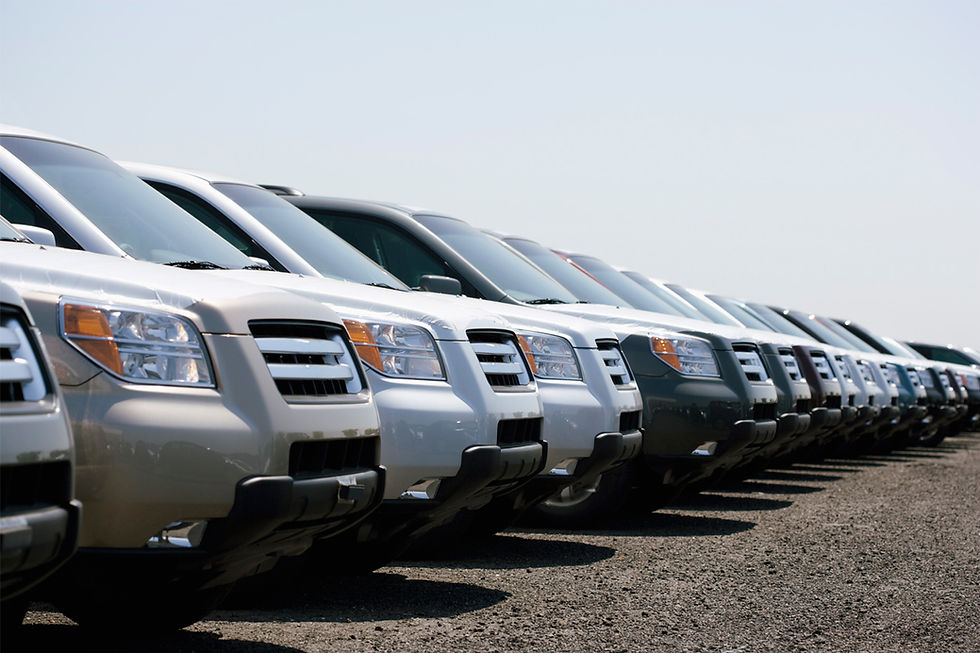
If You Roll Debt from One Car Loan to Another, You Need Gap
The Maserati story was fun, but not common. Far more often, consumers need to buy gap insurance when rolling over debt from one car loan to another.
If you owe significant funds on a car loan (more than a few grand) but want to trade it and get another car at a dealership, you might get a loan to pay off your current debt and the next vehicle.
When this happens, you’ll owe a lot more on the loan than the value of the car. Gap insurance becomes necessary.
“Rolling Over” Debt on Vehicle Loans is Usually Unwise
While this topic deserves an entire blog, we’d like to point out that rolling over significant debt from one vehicle to another is often a bad idea.
Financial experts will warn you of the same thing.
And, according to Carscoops.com, one third of all vehicle trade-ins are “hopelessly” underwater. In other words, there is no way a consumer can pay off a loan to get any equity in the vehicle. By the time it is paid off, it will be worthless.
This is how people end up owing $40,000 on a ride worth $10,000. Eventually that car breaks down or has a problem, and people file bankruptcy because a pushy car salesperson encouraged them to bring too much debt onto another car loan.
At Stonehill Motors, while we proudly offer gap insurance, we NEVER encourage this type of debt. It is a bad idea to owe much more on a car than its value. Some financial experts even consider those loans predatory!
Save with Us!
Our mission statement is, “Save with Us!” And at Stonehill, we try to ensure every used car deal makes good financial sense. That’s why we offer outstanding prices, affordable vehicles, warranties, and gap coverage when needed. And, every car we offer comes with an Experian Auto Check record. You will know the history of the vehicle you buy.
Do you need to buy gap insurance when you buy a used car? The answer is: maybe. It depends on how much you owe, how quickly you can pay down the loan, and how quickly the car might depreciate.
If you are reading this blog because you’re thinking about buying a car, truck or SUV, we invite you to see our ever-changing inventory at Stonehill Motors. We get fresh inventory every week, so stop by often! We look forward to earning your business with sensible deals and terrific customer service.


Comments